

Your dining chairs endure more wear than almost any other piece of furniture in your home. From daily meals to homework sessions, holiday gatherings to impromptu work calls, these seats bear the weight of your family’s life. But knowing when to replace dining room chairs isn’t always obvious, until someone wobbles mid-bite or complains about a sore back.
Most dining chairs last about 10–15 years under typical use, but heavy daily traffic, young children, pets, and lower-quality materials can cut that down to 5–8 years. The key triggers for replacement include structural damage like wobbling or cracks, loss of comfort from flattened cushions, major style or space changes in your home, and safety concerns that put your family at risk. Significant physical damage can make your dining area look shabby and uninviting, signaling it's time to replace chairs that appear worn out or detract from the room's appeal.
If you purchase solid wood or metal chairs in 2026 and maintain them properly, they can easily serve you into the 2040s. Budget particleboard or basic upholstered options, however, may need replacing by the early 2030s.

Typical Lifespan of Dining Room Chairs
The life of your dining room furniture depends heavily on three factors: the materials used, how the chairs were constructed, and how often your family actually sits in them. A chair that sees action every evening at the dinner table will wear out significantly faster than one reserved for holiday gatherings and birthday celebrations.
Solid hardwood chairs, built from dense woods like oak or maple, often last 15–20 years or more with proper care. The interlocking wood fibers provide superior strength, allowing these chairs to withstand thousands of sit-down cycles without permanent deformation. This makes them a sturdy investment for any dining space.
Metal-frame chairs typically endure 12–18 years. Their welded steel or aluminum construction excels in environments where spills and impacts are common, though welds can eventually fatigue from rocking or sitting on uneven floors.
Fully upholstered dining chairs generally hold up for 8–12 years under regular family use. Foam compression sets permanently over time, and lower-density cushions can lose up to 30% of their support within the first five years.

Budget flat-pack chairs assembled from particleboard or MDF often fail after just 5–8 years. These materials can swell 10–15% when exposed to humidity or moisture, compromising the entire structure. Warranties on furniture rarely match real-world performance; a 10-year warranty doesn’t guarantee the chair will remain functional in a high-use household.
Structural Signs It’s Time to Replace Your Dining Chairs
Visible damage and instability are the most urgent reasons to replace chairs, regardless of how old they are. A wobbly seat isn’t just annoying; it’s a safety hazard that could lead to falls, especially for children or elderly guests.
Wobbling or rocking that persists after you’ve tightened every screw and bolt signals loose joints or weakened glue bonds. Repeated weight application over 5–10 years causes micro-fractures in wood that eventually propagate beyond repair.
Cracks in wooden legs, split joints, or frames that flex noticeably when an adult sits down indicate failure in load-bearing components. Oak and maple crack along grain lines from dryness or impact, while softer woods splinter more readily. These defects can lead to sudden, catastrophic failure.

Bent or creaking metal frames, particularly at weld points, result from metal fatigue. The audible creaks are a precursor to bending, and repairs rarely restore original strength.
Seats that sag, tilt, or feel uneven under normal weight point to broken slats or compressed substrates. Picture a holiday dinner where a chair gives way, the safety risks amplify significantly in family settings with children climbing or elderly relatives with balance issues.
If your chairs have already been through multiple repairs since 2018–2020, it’s typically more cost-effective to replace them by 2026 than to keep putting money into fixes that address symptoms rather than underlying material fatigue.
Comfort & Ergonomic Clues That Replacement Is Due
Most people notice the loss of comfort long before they see obvious structural failure. This is a valid reason to replace your chairs; sitting shouldn’t hurt.
Flattened seat cushions where you can feel the wood or webbing underneath your thighs indicate foam that’s permanently compressed. Chairs purchased around 2012–2015 often feel uncomfortably hard by 2026 because the foam has undergone irreversible creep.

Backrests that no longer support your lower back lead to slouching and strain on your muscles. If guests routinely ask for pillows or avoid certain chairs entirely, that’s a clear sign of ergonomic failure. Last Thanksgiving, did everyone fight over the two “good” chairs while leaving the uncomfortable ones empty?
Poor dining chair ergonomics connect directly to health issues: back pain, hip discomfort, and numb legs during longer meals. If you’ve started using your dining tables as a home office since 2020, chairs that were adequate for 30-minute meals may fail you during 3–4 hour work blocks.
The shift to remote work has intensified this problem. Chairs adequate for quick dinners prove insufficient when you’re sitting for hours, where dynamic support and breathable fabric become essential.
Style, Space, and Lifestyle Changes That Call for New Chairs
Even structurally sound chairs might need replacing when they no longer fit your home or the way you live. Furniture should evolve alongside your life.
Moving from a small apartment to a larger room changes everything. Those petite chairs that looked great in your 2019 studio now appear undersized against a bigger table in your 2026 house, diminishing the visual harmony of your dining space. Additionally, chairs from a previous home might not fit the dimensions or layout of a new dining room.
Downsizing creates the opposite problem. Large, bulky chairs overwhelm a smaller dining nook in a condo, reducing knee clearance and making the space feel cramped.
A growing family or frequent hosting of guests requires more chairs, or different ones entirely. Wipeable materials and performance fabrics become essential when toddlers are putting crayons on everything or spilling juice daily. A growing family or a need for more seating for entertaining often warrants a new set of chairs.

Style pivots matter too. After a 2025 renovation that shifted your decor from dark traditional wood to a lighter modern aesthetic, your old chairs may clash completely. Mismatched seat heights and table height create awkward proportions, armrests bumping the table top, legs dangling uncomfortably, or chairs that simply don’t complement the rest of your furniture. Updating dining chairs can significantly impact the overall look and feel of the dining space, making it more inviting and stylish, and it's important to align your choices with your home design.
Life stages alter functional demands every 5–7 years. Teens doing homework at the table need different support than toddlers in high chairs, and a new home often calls for a fresh start. The configuration of the chair legs can affect how easily the chairs move on the floor, especially if a rug is present.
When considering visual harmony, remember that a buffet can complement your dining set and contribute to the overall style of the dining room.
Types of Dining Room Chairs: Finding the Right Fit
Choosing the right dining room chairs is about more than just picking what looks good; it’s about finding the perfect balance between style, comfort, and functionality for your dining space. With so many options available, from sleek modern designs to classic traditional styles, it’s important to consider how your chairs will complement your existing dining set and wooden table. For example, pairing wooden chairs with a wooden table can create a cohesive, timeless look, while mixing metal chairs with a wood table adds a touch of contemporary flair.
Think about the needs of your family and the guests you plan to host. If you often have large gatherings, opt for chairs that are sturdy and easy to move, ensuring everyone has a comfortable seat at the table. For smaller rooms, slim-profile chairs can help maximize space without sacrificing style. Ultimately, the right dining chairs should not only match your room’s decor but also enhance the overall dining experience, making every meal a welcoming occasion.
Table Configuration: Matching Chairs to Your Dining Setup
The shape and size of your dining table play a crucial role in selecting the ideal chairs for your dining room. For instance, a long rectangular table often benefits from chairs with lower backs, which help maintain an open, airy feel and allow for easy movement around the dining space. In contrast, a round table can be beautifully complemented by chairs with higher backs, fostering a sense of intimacy and encouraging conversation among guests.
Consider the style of your table, whether it’s modern or traditional, and choose chairs that harmonize with its design. Matching the proportions and lines of your chairs to your table creates a unified look that elevates the entire room. Don’t forget to account for the space around your table, ensuring there’s enough room for guests to pull out their chairs comfortably. By thoughtfully pairing your chairs with your table configuration, you’ll create a dining space that’s both functional and visually appealing.
Repair, Refinish, or Replace? How to Decide
Not every worn chair must be discarded. Sometimes repair or reupholstery makes sense, especially for solid wood frames or heirloom pieces from the 1980s–1990s with quality joinery.
Simple repairs work well for minor issues. Tightening loose screws, adding felt pads to prevent floor scratches, or re-gluing joints can extend chair life by 1–2 years at minimal cost, typically under $50 per chair. However, these fixes become futile for cracks wider than an eighth of an inch.
Refinishing or repainting frames and reupholstering seats costs roughly $100–300 per chair. Refinishing dining chairs can involve stripping old paint or stain to reveal the natural wood underneath, and sanding with a sanding block is often necessary before painting or refinishing to ensure proper adhesion of the new finish. This is viable for vintage pieces with solid construction, but risky if foam has absorbed spills, breeding odors, or allergens. Sometimes reupholstering costs as much as purchasing a new mid-range chair.
When reupholstering seats, using vinyl for chair cushions can be a practical choice for easy cleaning and durability.
Full replacement is optimal for warped, cracked, or poorly constructed frames. Heavily stained fabric beyond steam cleaning, think pet damage or years of kids’ crafts soaked into foam, warrants new material entirely. Piecemeal fixes on failing chairs often exceed new set costs by 20–50% over two years.
Consider keeping one or two sentimental chairs and updating them through targeted reupholstery while replacing the rest with a coordinated dining set. Flipping the cushion fabric when reupholstering can help achieve a fresh look. This approach balances memory and functionality without compromising safety or comfort.
Finding second-hand chairs can be a cost-effective way to upcycle and create a unique dining set.
Buying New Dining Chairs: Key Factors to Consider
Once you’ve decided to replace, choose chairs that will last into the mid-2030s or beyond rather than repeating past mistakes. Smart shopping now saves frustration later.
Size and proportion matter most. Measure your table height and room dimensions carefully. Ensure 25–30 cm of legroom between the seat and the table top. Standard seat heights of 17–19 inches pair well with 30-inch tables, and plan for 24–30 inches between chairs for comfortable elbow space.
Durability depends on material choice. Solid wood with high hardness ratings, powder-coated metal that resists chips, and fabrics rated for 30,000+ abrasion cycles work best for families with children or pets. Avoid plastic chairs prone to brittle cracking under impact.
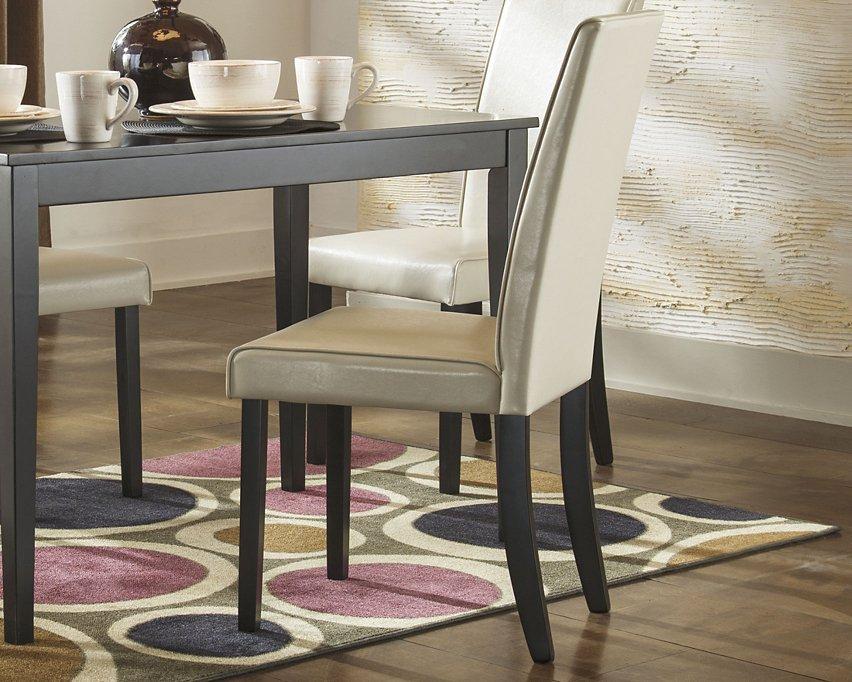
Comfort testing requires patience. Sit in any chair for at least 10–15 minutes in the store, assessing lumbar support, seat tilt, and armrest height. A quick sit-down reveals nothing about how you’ll feel after an hour-long dinner.
Maintenance should be practical. Removable slipcovers, microfiber that resists soil, and sealed woods simplify cleaning. Darker tones mask stains better, and machine-washable options cut cleaning time dramatically.
Future flexibility matters. Choose neutral finishes adaptable to wall repaints or table swaps over the next 5–10 years. Consider buying a few extra chairs now for guests rather than scrambling when your family expands.
Budget and Cost: Planning Your Dining Chair Investment
Investing in new dining chairs is an important decision, and setting a clear budget can help you make the most of your purchase. Dining chairs come in a wide range of prices, depending on the material, craftsmanship, and brand. Before you start shopping, decide how much you’re willing to spend per chair and for your entire new dining set. Remember to factor in additional costs like shipping, assembly, or any special finishes you might want.
Think about the long-term value of your investment. Higher-quality materials may cost more upfront, but often last longer and require less maintenance. Shopping during sales or using coupons can help you find new dining chairs that fit your budget without compromising on style or durability. By planning ahead and considering both immediate and future needs, you’ll be able to select chairs that serve your dining space well for years to come.
Customization and Personalization: Making Your Chairs Uniquely Yours
Personalizing your dining room chairs is a great way to make your dining space truly reflect your style and needs. Customization options abound, from selecting a unique fabric or color to adding features like arms or a higher back for extra comfort and support. You might even consider monogramming your chairs or choosing a special finish to create a one-of-a-kind look.
Think about how your customized chairs will fit into the overall style of your dining room and how they’ll function for your family. For example, adding arms can provide extra comfort for long dinners, while choosing a stain-resistant fabric makes cleanup easier in a busy household. If you have specific requirements, working with a designer or manufacturer can help you create chairs that are tailored to your space and lifestyle. By making your chairs uniquely yours, you’ll create a dining area that’s both beautiful and perfectly suited to your everyday life.
Frequently Asked Questions About Replacing Dining Room Chairs
This section addresses the practical questions homeowners commonly ask when deciding whether to replace their chairs.
How often should I replace dining room chairs if I have young kids? Expect to replace every 5–8 years due to accelerated wear from climbing, spills, and general roughhousing. Stain-resistant fabrics or leatherette help accommodate the chaos.
Is it okay to replace just the chairs and keep my existing table? Absolutely. Replacing only the chairs works well if the proportions match your table; it’s an efficient way to refresh aesthetics without full dining room furniture replacement.
Can I mix different chair styles around one table without it looking messy? Mixing succeeds when you unify through material or color tone. For instance, wood frames with varied seat styles create visual interest. Without some restraint, though, it risks looking chaotic.
When is reupholstering worth it versus buying new chairs? Reupholster if frames are solid and the cost stays under 60% of new chair prices. Otherwise, replace to gain warranties and structural integrity.
What’s the best material for easy cleaning in a busy family dining room? Performance fabrics or leatherette wipe clean instantly, handling 95% of spills without lasting stains.
Should I buy extra chairs now for future guests or wait until I need them? Buy 2–4 extras now for 10–20% bulk savings. Store them elsewhere and access them when entertaining needs grow.
Conclusion: Don’t Wait for a Collapse
Don’t wait until a chair gives way during Sunday dinner to take action. Replace your dining chairs when they become unsafe, uncomfortable, or out of sync with your home and lifestyle, not only when they physically break.
The key triggers remain consistent: structural damage like wobbles or cracks, loss of support from worn cushions, significant life or style changes, and hygiene issues from years of stains and odors soaking into fabric and foam.
Take time this week to inspect your chairs during a full meal. Check for wobble, examine legs for cracks, test cushion support, and notice whether you’re constantly shifting to get comfortable. If multiple signs point to wear and tear, 2026 might be the right year for new dining chairs. Your back and your guests will thank you.
Buy Dining Room Furniture at Furniture 4 Less Today

Upgrade your dining space with dining room furniture at Furniture 4 Less today and create a place where meals, conversations, and gatherings feel more comfortable and inviting. Whether you need a full dining set, a space-saving table, or stylish seating, you’ll find options designed to match different lifestyles and room sizes. From casual everyday use to hosting special occasions, the right furniture helps make every moment around the table more enjoyable.
Now is the perfect time to refresh your dining area without overspending. Buy dining room furniture at Furniture 4 Less now and enjoy a wide selection of styles, materials, and budget-friendly options that bring both function and style into your home.