
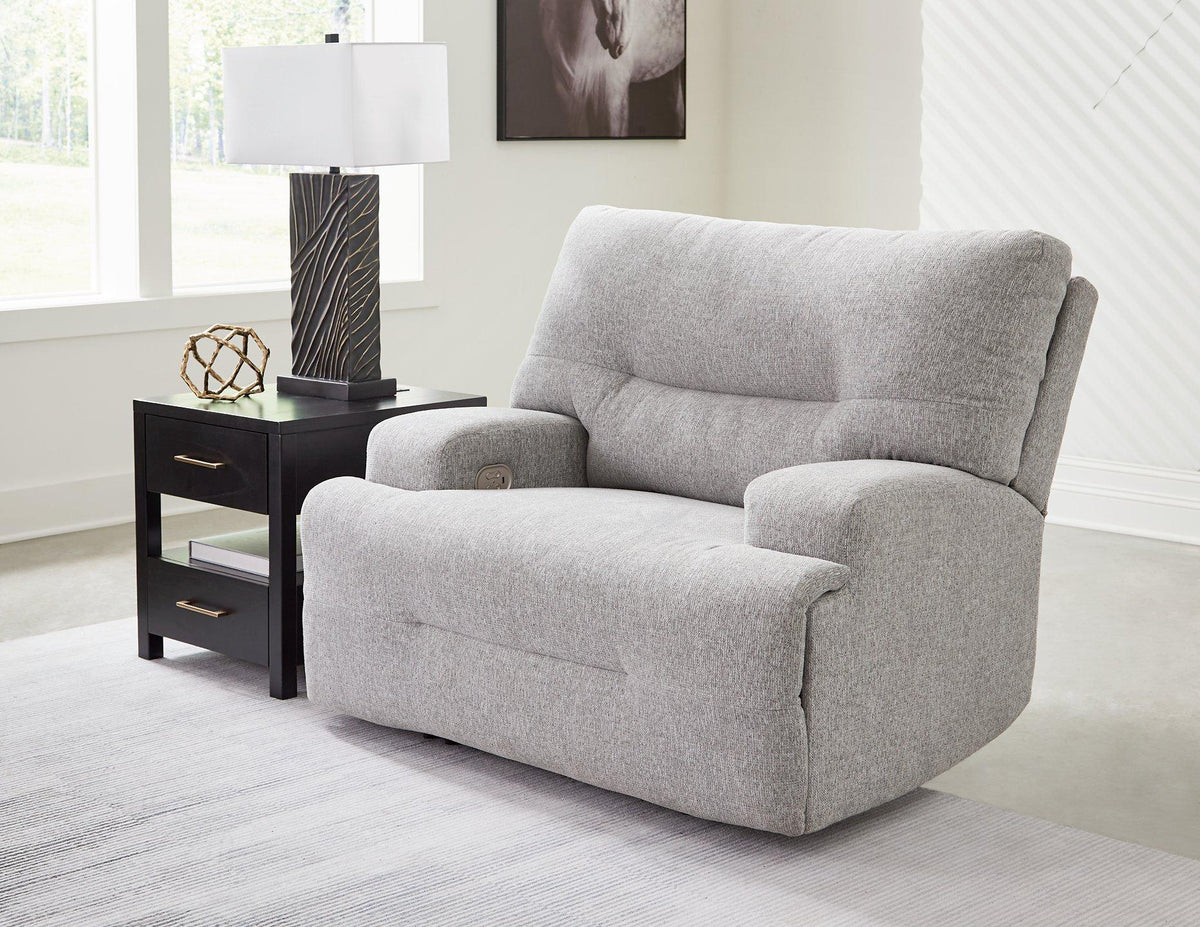
There’s a moment after a long day when you finally sit down, lean back, and feel the tension start to drain from your shoulders. That feeling isn’t accidental; it’s the result of furniture that actually works with your body instead of against it. The right reclining furniture can transform your living room into a genuine sanctuary, helping you decompress faster and more completely than any ordinary sofa or chair.
Think about the scenarios where relaxation matters most. You’ve just finished a demanding 9-5, your back is stiff from sitting at a desk, and all you want is to sink into something supportive. Or maybe you’ve just put the kids to bed after a chaotic evening and desperately need 45 minutes of quiet before tomorrow starts again. Perhaps you’re recovering from a tough workout and need a comfortable spot to stretch out while your muscles repair. These moments deserve furniture designed for real rest, not just something that looks comfortable in a showroom.
This guide will show you how to choose reclining furniture that encourages relaxation at every level. We’re talking about recliner chairs, loveseats, and fabric reclining sofas that actively support your body, match your daily habits, and fit your space perfectly. Knowing how to choose a recliner that enhances relaxation, provides comfort and support, and fits your living space is essential for creating a truly restful environment. By the end, you’ll know exactly what features matter, what to test before buying, and how to create a personal retreat that makes every evening feel a little more restorative.

Introduction to Reclining Furniture
Reclining furniture has become a cornerstone of modern living rooms, blending comfort, relaxation, and style in ways that traditional sofas and chairs simply can’t match. Whether you’re drawn to the plush embrace of fabric reclining sofas or the tailored support of a classic recliner chair, today’s options are designed to fit seamlessly into any room and elevate your overall well-being.
What sets reclining furniture apart are the thoughtful details, like lumbar support that cradles your lower back, adjustable headrests that let you find your perfect angle, and innovative reclining mechanisms that make it easy to unwind at the end of a long day. These key features aren’t just about luxury; they’re about creating an environment where you can truly relax, recharge, and feel at home.
As you begin your search for the ideal recliner, consider how it will fit into your space and daily routine. The right piece should complement your room’s layout, reflect your personal style, and, most importantly, support your well-being every time you sit down. In this guide, we’ll walk you through everything you need to know to choose the perfect recliner, from understanding essential features to finding the sofas and chairs that make your living room a true haven.
Start with Your Relaxation Goals
Relaxation means different things to different people. For some, it’s two hours of watching TV with feet elevated. For others, it’s a quiet reading corner where you can disappear into a book. Some need furniture that helps manage chronic back pain, while others want a comfortable spot for weekend power naps. Understanding your primary relaxation goals shapes every decision that follows.
Common relaxation goals include:
-
Stress relief after work, needing to decompress quickly and completely
-
Easing back pain or joint discomfort accumulated throughout the day
-
Better sleep or comfortable napping without heading to the bedroom
-
Family movie nights where everyone can stretch out together
-
A quiet reading corner or personal retreat away from household activity
Here’s the key: clarifying your primary use guides all your later choices. A recliner for 2-hour movie sessions needs different support than one designed for 20-minute power naps. Someone recovering from back surgery has different requirements than a couple hosting regular weekend movie marathons. Before you start shopping, mentally walk through a typical day and evening in your life. Picture the specific moments when you’d use your reclining furniture; that clarity makes choosing the right recliner much easier.
Identifying your relaxation goals will help you focus on the right features, such as reclining mechanisms, support options, and style, when selecting a recliner that truly encourages relaxation.
Types of Recliners
When it comes to finding the perfect recliner for your home, understanding the different types available can make all the difference. Each style offers unique features and benefits, allowing you to tailor your choice to your living room, family rooms, or even smaller rooms where space is at a premium.
Power recliners are a popular choice for those who value effortless comfort and precise customization. With the touch of a button, you can recline to your preferred position, often adjusting the backrest, footrest, and even headrest independently. Many power recliners also come with unique features like built-in cup holders or massage functions, making them ideal for home theaters or family rooms where relaxation is a priority.
If you prefer a more traditional approach, manual recliners offer reliable comfort without the need for electrical outlets. These recliners use a lever or push-back mechanism, providing a classic feel and often coming at a more budget-friendly price point.
For those who want added flexibility, swivel recliners allow you to rotate smoothly, making it easy to turn toward a conversation or reach for a book on a nearby table. This versatility makes them a great fit for multi-use spaces or open-concept living rooms.
If you’re working with limited space, a wall-hugger recliner is designed to maximize floor space by reclining forward instead of backward, requiring only a few inches of clearance from the wall. This makes them perfect for smaller rooms or apartments where every inch counts.
By considering your room size, lifestyle, and the features that matter most to you, whether it’s massage functions for ultimate relaxation or built-in cup holders for movie nights, you can confidently choose the recliner that best fits your needs. With so many options available, there’s a perfect recliner out there for every home and every style of relaxation.
Ergonomic Support: The Foundation of True Relaxation
Good support, not just softness, is what separates truly relaxing furniture from pieces that feel comfortable for five minutes but leave you stiff after an hour. Ergonomic design allows your muscles to actually let go because they’re not working overtime to compensate for poor positioning. When your spine, neck, and legs are properly aligned, your nervous system can shift into a calmer state. Ergonomic design and proper reclining positions help reduce pressure on the back and joints, further promoting relaxation and supporting spinal alignment.
Quality reclining furniture should feel supportive within the first 2-3 minutes of sitting and remain comfortable after 30-60 minutes or more. If you notice increasing tension in your lower back or neck during an extended sit, the furniture isn’t doing its job. The following subsections break down exactly what to look for in each support zone.
Lumbar and Back Support
Your lower back takes a beating throughout the day, especially if you spend hours at a desk. When you finally recline in the evening, proper lumbar support allows those compressed spinal discs to decompress. Research shows reclined positions can reduce lumbar disc pressure by 40-50% compared to upright sitting. That’s a significant difference in how your back feels after a long week.
Look for reclining furniture with built-in lumbar zones or adjustable lumbar mechanisms that follow the natural S-curve of your spine. When you sit down, your lower back should make full contact with the backrest without any gap. You shouldn’t need to slouch or add a pillow to feel supported; the chair should do the work.
Here’s a concrete test: sit in the recliner for at least 10 minutes. If your lower back feels lighter and more open rather than tighter, the lumbar support is working. If you find yourself shifting around trying to get comfortable, move on to another option.
Recline Angles and Zero-Gravity Positions
Not all recliners offer the same range of angles, and the angle you choose significantly affects relaxation quality. Here’s a general guide:
|
Recline Angle |
Best For |
|---|---|
|
110-120° |
Reading, working on a laptop, casual conversation |
|
125-135° |
Watching TV, casual lounging, light relaxation |
|
135-145°+ |
Deep relaxation, napping, recovery, meditation |
The zero-gravity position deserves special attention. Inspired by NASA research on neutral body posture, this angle places your hips and knees slightly bent with legs elevated near heart level. This position distributes weight evenly, reduces pressure on the lumbar spine, and can improve circulation by helping blood flow more easily through your lower body. Leg elevation in this position also helps reduce swelling and enhances comfort, especially during extended sitting or recovery.
When evaluating reclining furniture, look for multiple finely adjustable positions rather than just “upright” and “fully reclined.” Smooth, quiet motion from one position to another supports relaxation; jarring transitions or loud clicks break the calm you’re trying to create.
Headrest and Neck Comfort
Neck strain is a common relaxation killer. If your head is pushed forward or forced to tilt down toward the TV screen, tension builds in your neck and shoulders. Adjustable headrests that can tilt or extend solve this problem, especially when several family members of different heights share the same recliner.
Test headrest comfort by reclining to your typical watching TV position. Your head should rest naturally against the headrest without any forward push or awkward angle. If you enjoy napping in a semi-reclined position, consider models with removable neck pillows or extra cushioning at the headrest for added neck support.
Seat Depth, Width, and Leg Support
Seat dimensions affect comfort more than many shoppers realize. The right seat depth allows your thighs to be fully supported while keeping 1-2 inches between the seat edge and the back of your knees. This prevents circulation cutoff and that uncomfortable pressure behind your legs.
In the upright position, your feet should rest flat on the floor with knees at roughly 90 degrees. When you recline fully, a full-length footrest should support both your heels and calves without leaving your feet dangling or your knees under strain.
Different heights need different dimensions:
-
Shorter users (under 5’4”): Look for shallower seat depths around 19-20 inches
-
Average height (5’4”-5’10”): Standard 20-22 inch seat depths typically work well
-
Taller users (over 5’10”): Seek deeper seats of 22-24 inches and longer footrests
Materials and Textures That Invite You to Unwind
The upholstery and padding of your reclining furniture shape both the first impression and the long-term experience. Recliner upholstery that feels amazing for five minutes but leaves you overheated or itchy after an hour defeats the purpose of relaxation. Choosing the right materials prevents the sensory distractions that pull you out of a restful state.
Cushion Density and “Sink-In” Feel
There’s a sweet spot between cushions that collapse completely and those that feel like sitting on a board. High-density foam with ratings around 1.8 lb/ft³ or higher provides that gentle “hug” sensation, initial softness when you sit, followed by stable support that doesn’t flatten after months of regular use.
High resilience foam maintains its shape significantly longer than cheaper polyfoam alternatives, often lasting 10-15 years compared to 3-5 years for budget options. Memory foam layers can add pressure relief and body-conforming comfort, but the base layer should always be supportive enough to prevent bottoming out.
Quick in-store test: sit down firmly, then stand up immediately and watch the cushion. Quality foam springs back within seconds without leaving a deep, lasting dent. If the impression of your body lingers, expect those cushions to lose their support quickly.
Fabric, Leather-Like, and Performance Upholstery
The material touching your skin matters for relaxation. Here’s how common options compare:
|
Material Type |
Pros |
Cons |
Best For |
|---|---|---|---|
|
Woven fabrics |
Soft, breathable, cozy feel |
Can absorb spills, may attract pet hair |
Warm rooms, casual family rooms |
|
Faux leather |
Easy to wipe clean, smooth feel |
Can feel sticky in heat, may crack over time |
Homes with pets, easy maintenance priority |
|
Performance fabrics |
Stain-resistant, durable, breathable |
Sometimes less soft initially |
Family-friendly spaces, heavy daily use |
Performance fabrics with tight weaves and stain-resistant finishes handle the reality of everyday wear, kids, pets, snacks, and coffee spills, while still feeling comfortable against skin. Look for materials rated for 10,000+ abrasion cycles for durability that matches heavy use.
Choose textures that feel calming rather than scratchy or sticky. A microfiber-like fabric works beautifully in family movie rooms where comfort and durability both matter. A smoother finish might suit a home office recliner where you want a slightly more polished look.
Temperature and Breathability
Overheating destroys relaxation faster than almost anything else. If you’re constantly shifting because your back feels sweaty, you’ll never fully unwind. This becomes especially important during long streaming sessions or afternoon naps.
Breathable fabrics or perforated materials help air circulate and prevent that clammy feeling. If your recliner will sit in a sunny room or you live in a warm climate, prioritize breathability over heavy, dense upholstery. Light gray or other lighter-colored options also absorb less heat near windows.
Some power recliners offer built-in heat as a comfort feature, wonderful for sore muscles in winter, but use it as an optional enhancement rather than constantly. Continuous heat can actually become uncomfortable during extended sitting.

Match Reclining Furniture to Your Space and Routine
Even the most comfortable recliner fails to encourage relaxation if it makes your living space feel cramped or awkward. Truly relaxing furniture fits both the room and the way you actually live in it. A piece that blocks walkways or requires awkward maneuvering creates stress rather than reducing it.
Room Size and Layout
Before shopping, measure your intended area carefully: width, depth, and the clearance needed behind and in front for full recline and footrest extension. Not all recliners need the same amount of floor space, and understanding your room layout prevents expensive mistakes. Wall clearance is especially important for proper recliner functionality and ease of placement, so be sure to account for it when planning your space.
Recommended clearances:
-
Standard recliners: typically need 12-36 inches of space behind them to fully extend
-
Wall-hugger recliner styles: need only 2-4 inches from the wall to recline fully
-
Front clearance for footrests: 20-24 inches minimum
-
Leave at least 24 inches of clearance on the sides of the recliner for comfortable movement around the chair
When fully extended, most recliners stretch 60 to 75 inches from back to footrest.
For smaller rooms around 9×11 feet, a compact single recliner or wall-hugger recliner makes sense. Larger family rooms of 15×20 feet can accommodate reclining sofas or modular sectionals without feeling crowded. Make sure you have enough room around your coffee table for comfortable traffic flow.
Pro tip: Use painter’s tape to outline the footprint on your floor, including the space needed when fully extended. Live with that outline for a day to see how it affects movement through your living space.
Single Recliner, Loveseat, or Sectional?
Your choice between a single reclining chair, loveseat, or sectional depends on how you’ll actually use it:
-
Single recliner chairs: Perfect for a personal reading corner, home office, bedroom relaxation spot, or limited space situations
-
Reclining loveseat or reclining sofa: Ideal for couples or smaller families who watch TV together, fitting well in moderate living rooms
-
Reclining sectionals: Suited to large, open-plan family rooms where several people relax simultaneously while still wanting individually adjustable positions
Think about your specific routines. Weeknight solo viewing calls for different furniture than regular hosting of friends for movie marathons. Multi-use spaces might benefit from modular recliner sofas that can be rearranged as needs change.
Everyday Lifestyle and Habits
Be honest about how you actually relax. Quick 20-30 minute breaks require different durability than 2-3 hour evening sessions or occasional all-day weekend lounging. Heavy daily use demands more durable reclining mechanisms and higher-quality foam to maintain effortless comfort over the years.
For homes with kids or pets:
-
Avoid overly delicate fabrics
-
Choose darker or patterned upholstery to hide inevitable stains
-
Select family-friendly performance fabrics that clean easily
-
Consider removable cushion covers for washing
If you regularly snack in front of the TV, drink coffee on weekend mornings, or enjoy brunch on the couch, easy-to-clean materials prevent the stress of constant worry about spills.
Ideal Furniture Placement for Maximum Relaxation
The way you arrange your reclining furniture can make a real difference in how relaxed and comfortable your living room feels. Thoughtful placement isn’t just about fitting a recliner or reclining sofa into your space; it’s about creating an environment where you can recline effortlessly, enjoy maximum comfort, and truly unwind at the end of the day.
Start by making sure you have enough room around your recliner chairs and sofas. Leave generous space between your recliner and other pieces, like your coffee table or entertainment center, so you can extend the footrest and move around without feeling cramped. This is especially important if you want to recline fully or if you’re working with a wall-hugger recliner in a smaller room. A well-planned room layout ensures that your ideal furniture doesn’t become an obstacle, but instead enhances the flow and function of your living space.
Consider placing your perfect recliner in a quiet corner or against a wall to create a cozy retreat away from the busiest parts of the room. If you’re arranging multiple pieces, such as a reclining sofa and recliner chairs, try forming a conversational circle. This setup encourages social interaction and makes it easy for everyone to enjoy the ergonomic support and adjustable headrests that modern recliners offer.
Don’t overlook the importance of ergonomic design and built-in recliner features. Position your recliner so you can take full advantage of lumbar support, massage functions, or heat settings without needing to move or adjust your surroundings. If your recliner is upholstered in performance fabrics or faux leather, you’ll appreciate how easy it is to keep your space looking fresh, even with everyday wear and the occasional spill.
Lighting also plays a key role in relaxation. Soft, warm light from a table lamp or floor lamp can transform your living room into a haven of calm, especially when paired with the right recliner size and features for your needs. For the ultimate relaxation, consider making your recliner zone a technology-free area, perfect for reading, listening to music, or simply enjoying a quiet moment.
Finally, personalize your space with touches that make you feel at home. Add a favorite throw blanket, family photos, or a few plants to create an inviting atmosphere that supports your well-being and helps melt away muscle tension.
By thoughtfully arranging your reclining furniture and choosing pieces with the right ergonomic support, stain-resistant performance fabrics, and relaxing features, you’ll create a living room that’s not just functional, but truly restorative. The right placement, combined with the perfect recliner, ensures your space is always ready to deliver ultimate comfort and relaxation, no matter what your day brings.
Manual vs. Power Recline for Relaxation
Both manual recliners and power recliners can deliver ultimate relaxation, but they feel distinctly different in daily use. The right choice depends on your physical comfort, preference for precise positioning, and practical room considerations.
Manual Reclining Furniture
Manual recliners use levers or push-back systems to adjust the reclining mechanism. They typically cost 30-50% less than power alternatives and don’t require access to electrical outlets, a significant advantage in some room layouts.
The trade-off: you use your own body to push back and return to an upright position. For active adults without mobility limitations, this works fine. For people with limited strength, joint issues, or arthritis, the effort required can actually create tension rather than relieve it.
Manual styles make sense for smaller rooms where cord management would be awkward, secondary spaces like guest rooms, or users who prefer simple, low-maintenance furniture. When testing a manual recliner, pay attention to how smooth and quiet the mechanism feels. Jerky or noisy operation undermines relaxation.
Power Reclining Furniture
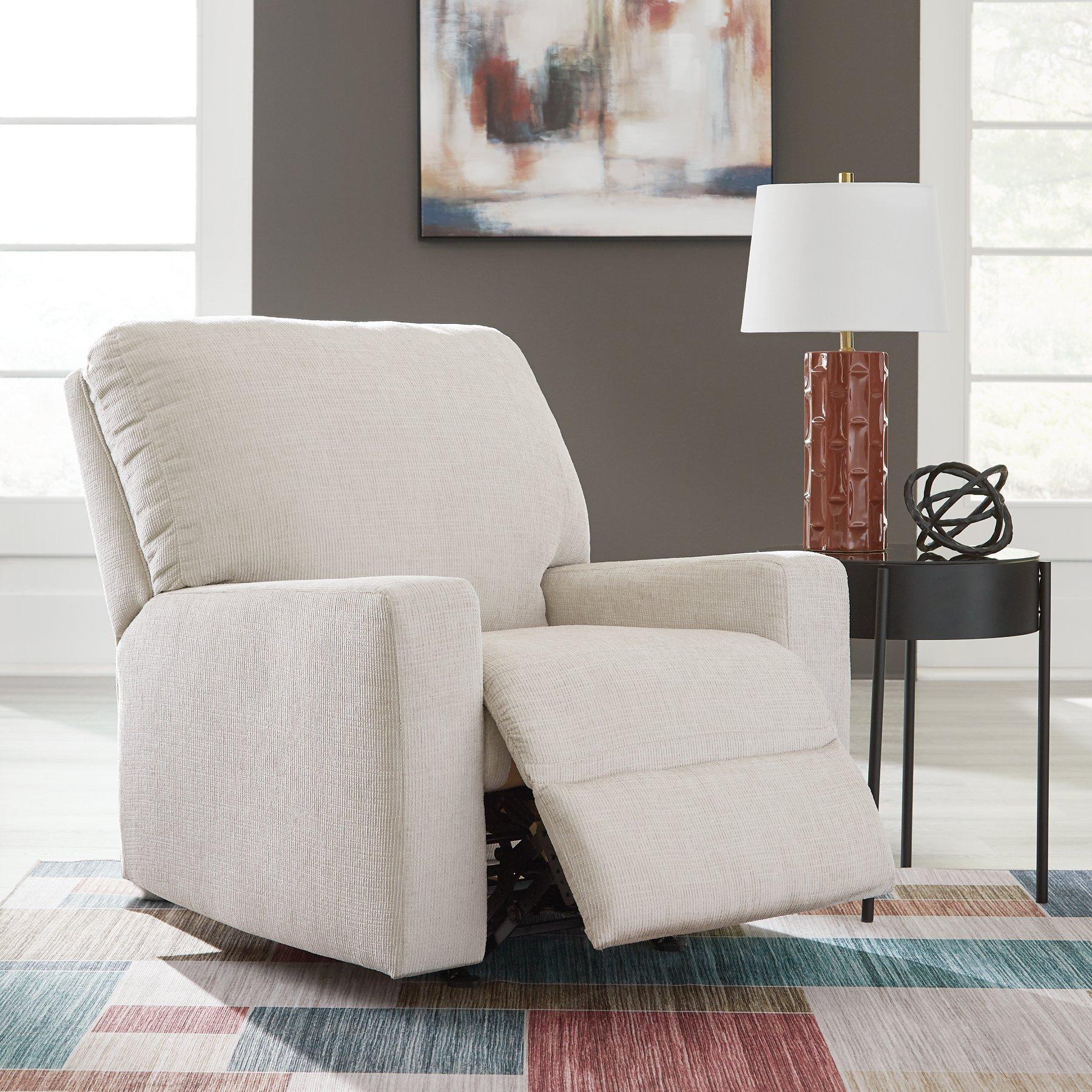
Power recliners use quiet electric motors controlled by buttons or hand wands, allowing you to recline effortlessly to any position without physical strain. This matters enormously for relaxation; being able to find your ideal recliner angle without effort means no tension buildup during adjustment.
Modern recliners in this category often feature independently adjustable backrests, headrests, and footrests. Some include adjustable headrests that tilt forward or back, letting you find perfect neck support without any struggle. You can recline fully, return to upright, or pause at any point along the way.
Practical considerations include needing a nearby power outlet, potentially visible cords, and a slightly higher initial cost. However, people with back pain, arthritis, or those who plan to nap recliner regularly find the gentle, motorized movement significantly more soothing than manual alternatives. The ability to make micro-adjustments without getting up preserves the relaxed state you’re trying to achieve.
Wellness Features That Deepen Relaxation
Some modern recliners include extra wellness elements that can enhance relaxation when chosen thoughtfully. The key is selecting features that support calm and personalized comfort rather than turning your chair into a noisy gadget that distracts from rest.
Heat, Massage, and Specialized Positions
Built-in heat functions for the lower back or seat area help ease muscle tension, especially in cooler months or after physically demanding days. Heat increases local blood flow through vasodilation, helping muscles relax more deeply. This recliner feature works best as occasional therapy rather than constant use.
Gentle massage functions can encourage relaxation before bed or during recovery from muscle soreness. Look for massage settings that feel subtle and soothing rather than aggressive. Overly intense vibration modes feel more like sitting on machinery than relaxing. Test these features in-store to ensure they actually feel calming.
Some power recliners offer preset positions for reading, TV viewing, or near-zero-gravity angles that can be saved and returned to with one button. These extra features eliminate guesswork and let you achieve customizable comfort instantly.
Convenience Features that Support Calm
Small conveniences contribute to ultimate comfort by eliminating the need to constantly get up. Built-in cup holders keep drinks within reach. Side pockets organize remotes, reading glasses, and books. USB ports let you charge your phone without leaving your relaxed position.
Having everything within reach makes it easier to stay in a restful state. When you don’t need to stand up every few minutes, your body can settle more deeply into relaxation. Keep visible clutter minimal by using built-in storage. A calm visual environment supports a calm mental state.
Consider pairing your recliner with a small side table for items that won’t fit in built-in storage, and a floor lamp positioned for reading without harsh overhead light. These accessories help create a dedicated relaxation corner that signals rest the moment you enter.
Quiet Operation and Smooth Motion
For power models, quiet motors and smooth transitions make a real difference in relaxation quality. Grinding, clicking, or sudden jerks interrupt conversations, break concentration during shows, and can startle you out of a light nap. Many recliners now feature gear-driven mechanisms specifically designed for near-silent operation.
Test power recliners in-store with the TV and conversation noise at normal levels. If you can hear the mechanism clearly over typical room noise, it will likely become annoying during actual use.
Even manual recliners should feel solid and move without loud squeaks or snaps. Quiet, gentle motion is part of the overall sensory experience; every element should support relaxation, not undermine it.
Quality, Durability, and Budget for Long-Term Relaxation
A truly relaxing recliner represents a long-term investment. Spending wisely means looking beyond first impressions to understand construction quality, expected lifespan, and how to balance features with budget.
Frame, Mechanism, and Construction
Solid construction using hardwood frames or robust metal combinations, reinforced at stress points, helps reclining furniture last 8-15 years or more. Flimsy frames that flex or wobble when you rock or shift positions will feel less supportive over time and may fail entirely.
Check weight capacity ratings and choose models that comfortably exceed the heaviest regular user’s weight by at least 50-100 pounds. This ensures the mechanism operates smoothly without strain. Heavy-duty options rated for 400-500+ pounds feature reinforced frames and more durable components.
If possible, look underneath or behind showroom models to see the mechanism and gauge sturdiness. Quality materials and solid construction are visible; thin plywood, stapled joints, or flimsy metal brackets suggest corners were cut.
Expected Lifespan and Use
Realistic lifespan expectations help you budget appropriately:
|
Construction Quality |
Expected Lifespan |
Best For |
|---|---|---|
|
Budget |
5-7 years |
Light occasional use, guest rooms |
|
Mid-range |
8-12 years |
Regular family use, everyday wear |
|
Premium |
12-15+ years |
Heavy daily use, maximum comfort priority |
Heavier daily use (2-4 hours per day) wears cushions and mechanisms faster than occasional weekend use. A written warranty offers clues about manufacturer expectations; longer warranty periods typically indicate confidence in durability.
When choosing furniture in 2025, think ahead. A well-built recliner purchased now should still feel supportive and reliable well into the early 2030s if you choose quality materials and solid construction.
Setting a Budget That Matches Your Priorities
Before shopping, outline a realistic budget range and identify your 2-3 most important features for relaxation. Maybe adjustable headrests and lumbar support matter more than the swivel recliner's capability. Perhaps high-density foam cushions take priority over massage functions.
Prioritize ergonomic support and build quality over purely decorative extras. Elaborate cup-holder consoles and trendy finishes add cost without necessarily improving relaxation. Recliner size and recliner features should match actual needs rather than aspirations.
Mid-range reclining furniture often delivers the best balance of comfort, durability, and value for most households. The cheapest options frequently feel flimsy or unsupportive, and early replacement costs more than investing appropriately from the start. Your well-being deserves furniture that works as well in year five as it did on day one.
Test Before You Commit: Does It Really Help You Relax?
The best way to know if reclining furniture encourages relaxation is to actually sit and recline in it, not for ten seconds, but for a genuine mini relaxation session. Treat in-store testing like a real preview of how you’ll use the furniture at home.
Comfort Checklist for In-Store Testing
Use this step-by-step checklist when evaluating any recliner, loveseat, or reclining sofa:
-
Sit upright – Does your lower back make full contact with lumbar zones without gaps?
-
Recline slightly – Does the transition feel smooth and quiet? Can you stop at any angle?
-
Extend fully – Are your feet and calves fully supported? Any pinching behind your knees?
-
Check key points – Neck not strained, no pressure on shoulders or hips, feet not dangling
-
Stay for 10-15 minutes – Does subtle discomfort develop, or does comfort deepen?
-
Test controls – Can you adjust without looking? Are buttons within easy reach?
-
Return to upright – Is the motion smooth? Can you stand up easily?
If you’re shopping online, read detailed measurements carefully and study photos showing the recliner in various positions. Seek user reviews that specifically mention comfort and support during extended use, not just initial impressions.
The perfect recliner might not be the one that looks most impressive; it’s the one that makes you forget you’re sitting in furniture at all. Maximum comfort means your body can fully let go.
Bringing It All Together
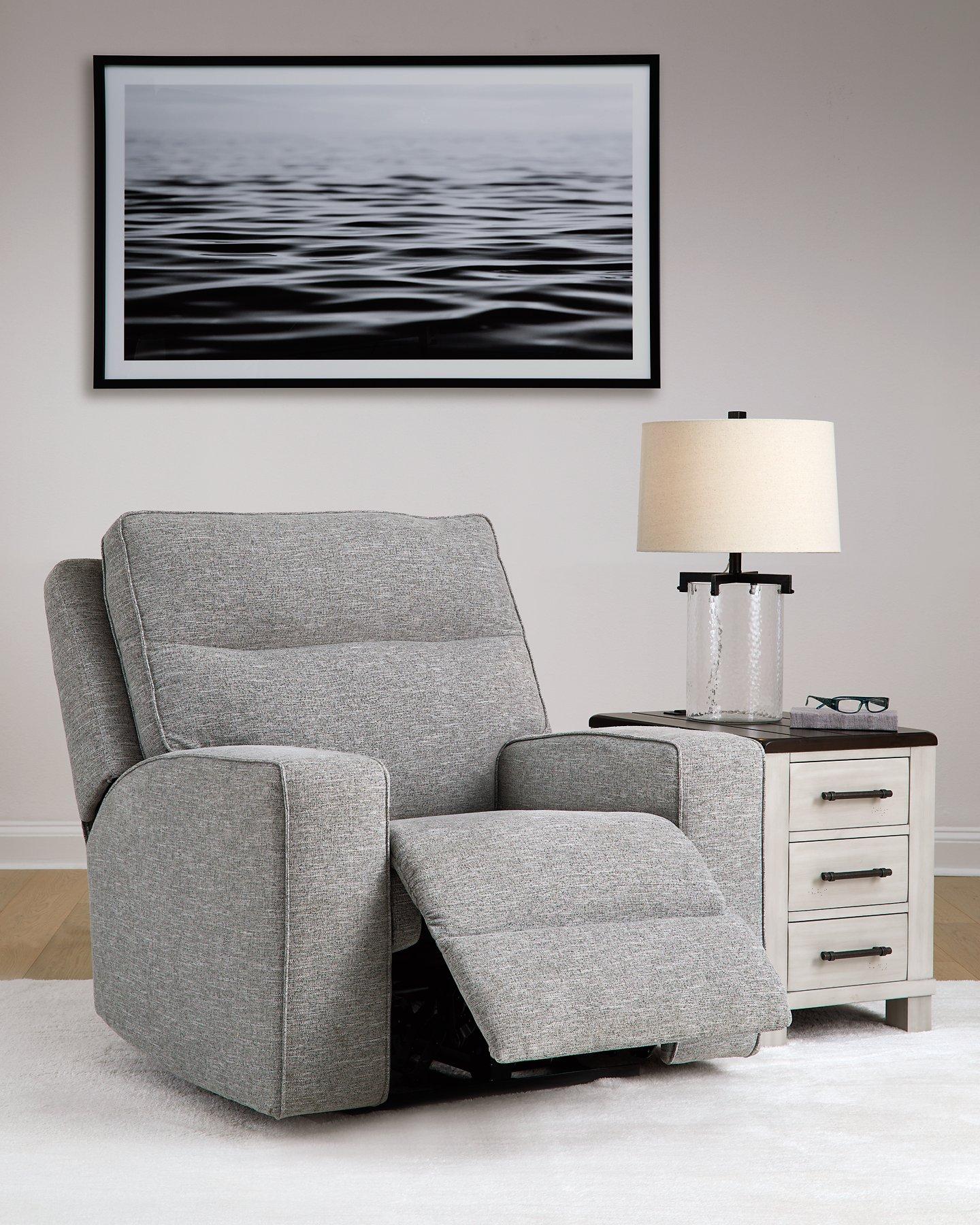
Truly relaxing reclining furniture brings together ergonomic support, quality materials, thoughtful features, and smart room fit. There’s no single ideal furniture choice for everyone; the key factors depend on your body, your space, your habits, and your relaxation goals. What matters is that each element works together to create genuine comfort rather than just the appearance of it.
Remember the essentials: understand what relaxation means for your life, insist on proper lumbar support and adjustable features, choose materials that feel inviting against your skin, match the piece to your living room or smaller rooms' layout, and always test before committing. Whether you choose manual or power, fabric or faux leather, single chair or reclining sofa, the right combination lets you recline effortlessly into real rest.
Think of your recliner as part of a larger relaxation ritual. Pair it with good lighting, a soft throw blanket, and maybe a small side table within reach. Create a space that signals calm the moment you enter. The furniture you choose today will shape how you recover, recharge, and restore yourself for years to come. Take your time, trust how your body responds, and invest in the ultimate relaxation your daily life deserves.
Get Your Reclining Furniture at Furniture 4 Less Today
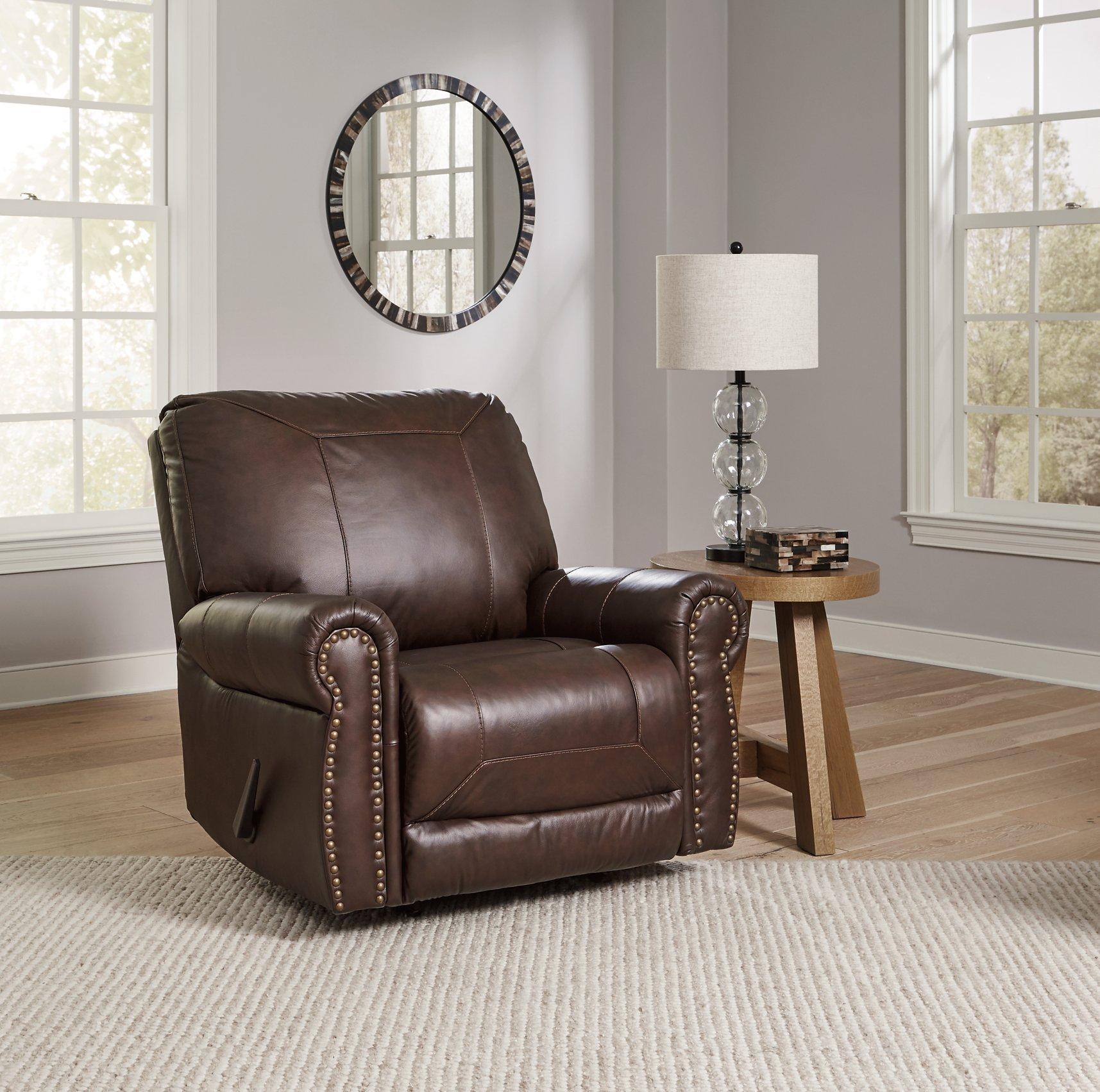
Reclining furniture brings comfort and relaxation to your living space. At Furniture 4 Less, our reclining furniture collection includes chairs, sofas, and sectionals designed for support, ease of use, and everyday comfort. Each piece is chosen for durability and lasting quality to help you unwind in style.
Explore our reclining furniture selection today and find the perfect pieces for your home. Whether you’re creating a cozy corner or upgrading your main seating area, Furniture 4 Less offers options that combine comfort, functionality, and value.